

Identifying Food Waste Hotspots in the Banana Supply Chain
Whole Chain I: Bananas
October 6, 2026
For this project, the U.S. Food Waste Pact gathered stakeholders from across the banana supply chain to study food waste from harvest through retail sales. Over a 12-month period, the team gathered data from enterprise software systems; conducted site visits across farms, packaging facilities, ports, distribution centers, and retail stores; and drew on relevant literature, industry best practices, and interviews with subject matter experts. They also carried out post-harvest measurements in Ecuador on-farm, at processing facilities, and at the port of export.
This work found that:
Most of the waste happening in the banana supply chain occurs at the farm level.
Diverting surplus to secondary markets is a solution to waste that is actively working in this supply chain.
Finding more opportunities to simplify and streamline food donation will enable retailers to divert surplus from waste destinations.
Similar Case Studies


Case Study
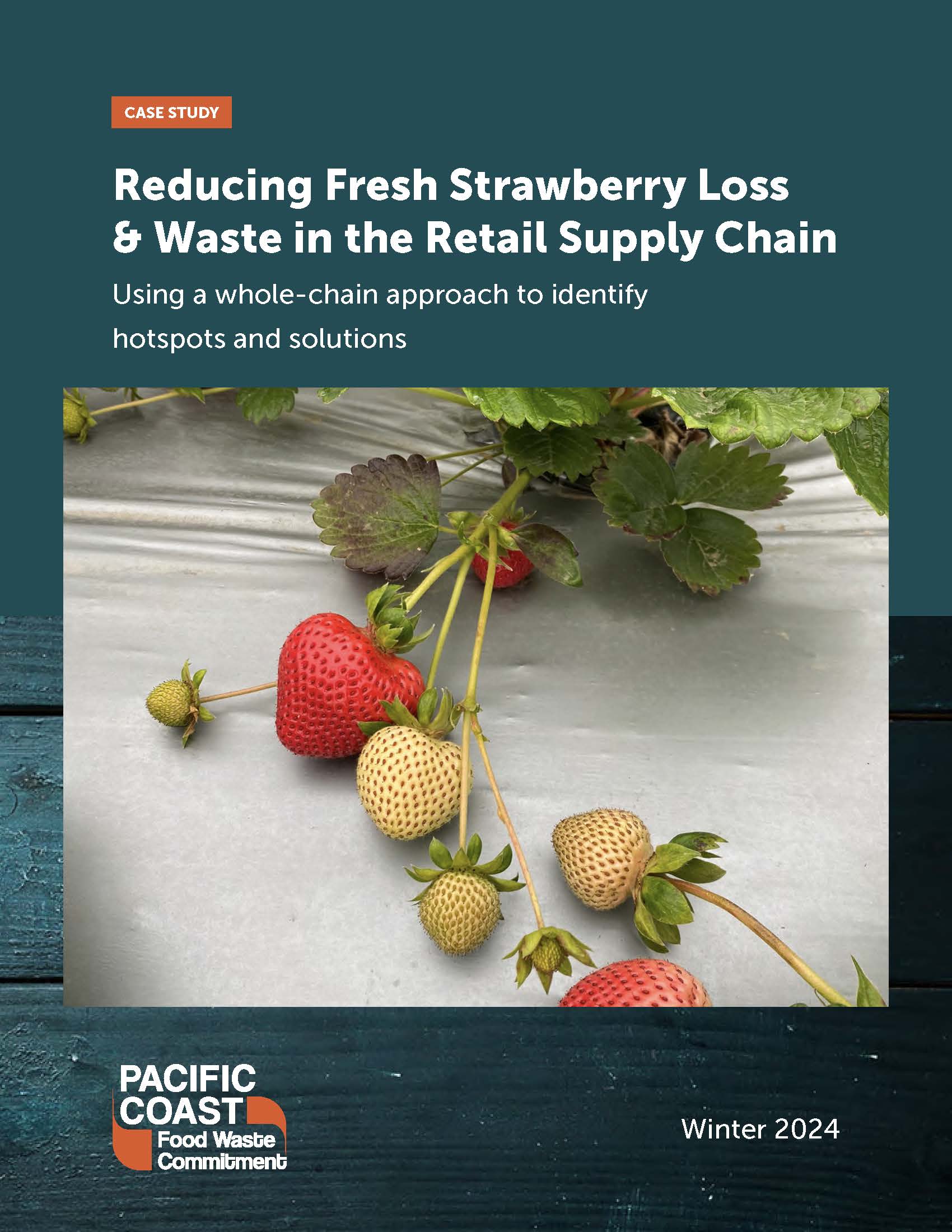
Reducing Fresh Strawberry Loss & Waste in the Retail Supply Chain
February 21, 2024
Case Study
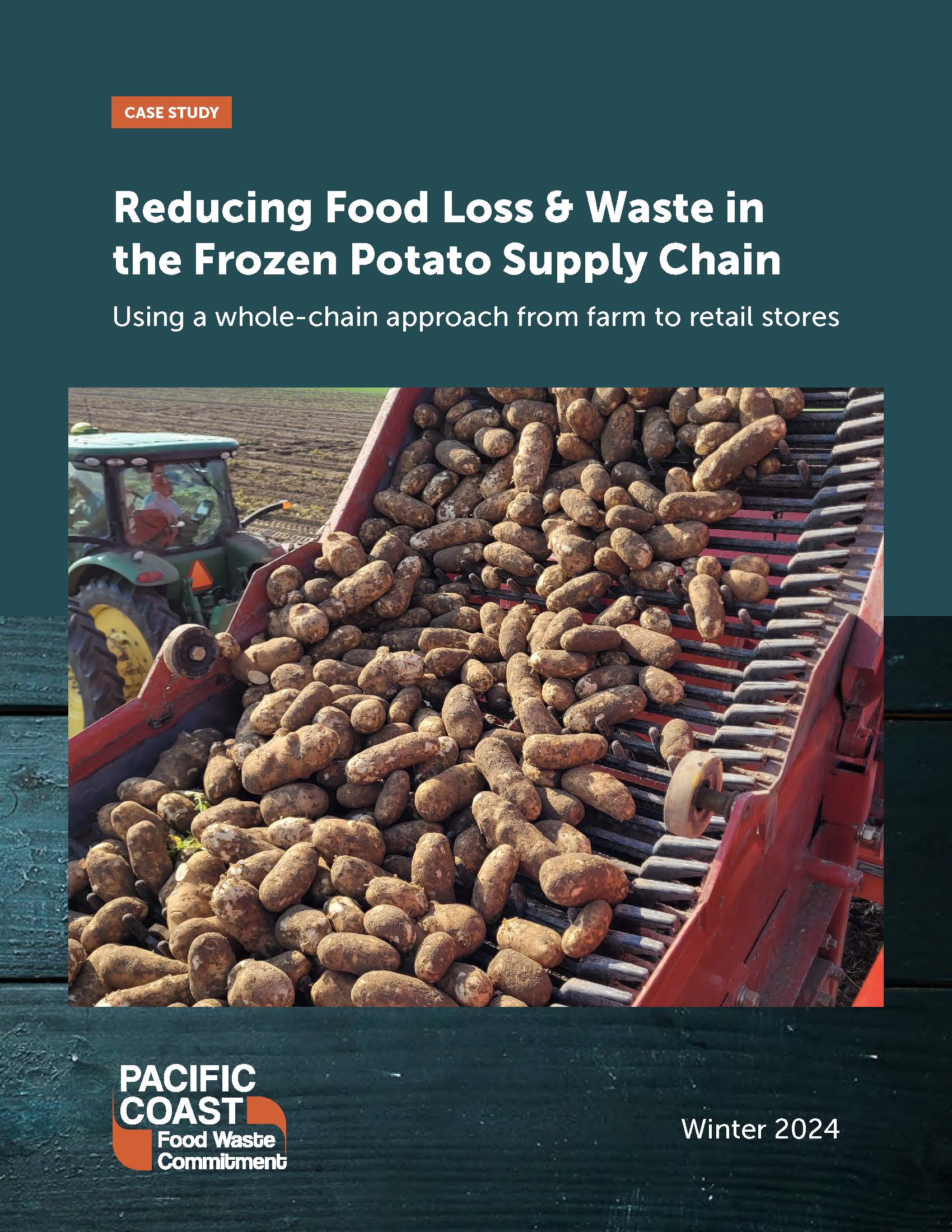
Reducing Food Loss & Waste in the Frozen Potato Supply Chain
February 22, 2024
Collaborate Across the Food System
The U.S. Food Waste Pact brings stakeholders from across the supply chain together to prevent and reduce food waste. From producers, to manufacturers, to distributors, to foodservice operators, to grocery retailers, signatories of the Pact report food waste data, discuss best practices, and test and scale food waste solutions.